By Deborah Lebow Aal
Wild Ones isn’t only about native plants. Yes, plant choice is critical, but your overall gardening techniques and what you do before, during and after the planting of these native plants can have an equally large impact on your home ecosystem. So, here are our top ten tips for caring for the environment while gardening.
1. Plant the water first. Slow, sink, and spread the water that comes from the sky, your highest quality water resource, which is free! In regions where there is a scarcity of water, like ours, learn about putting in swales and berms to direct precipitation to the places you want it. It’s best to think about this before you are planting, but if you already have your yard planted, think about how to get more water to your trees. The best resources we know of for how to plant water are Brad Lancaster’s excellent books on rainwater harvesting. His website and YouTube channel also offer excellent information. Reducing paved areas as much as possible also reduces runoff. Water does not sink in, obviously, where you have paved surfaces. (See our latest blog article on rainwater harvesting here.)
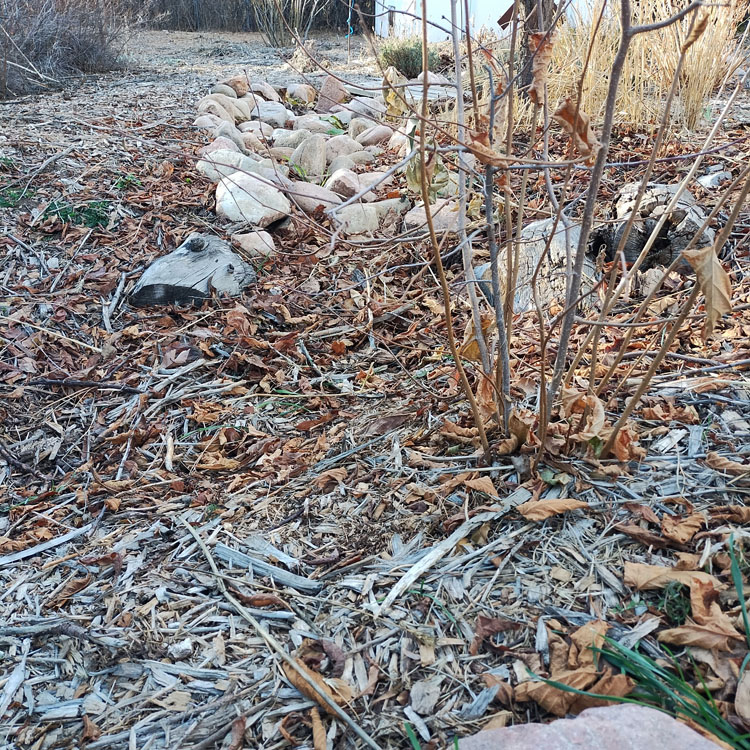
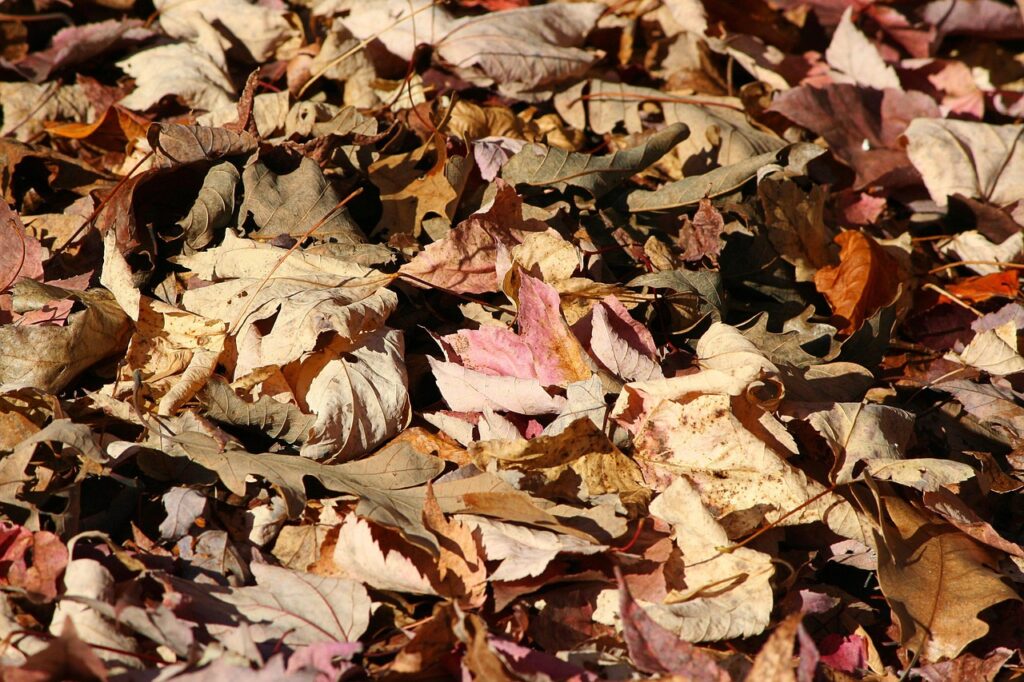
2. Build good soil. Leave your garden detritus right where it is, as much as possible, where it can break down and return nutrients to the soil and support soil life. This is especially true of leaves from your trees! They make the best mulch, and underneath trees, break down to give back to the tree. No need to till your soil–that disrupts soil biology. So, if you do want to add compost to build your soil, top dress your plants, don’t till it in. Our little friends in the soil will mix it in over time. As your soil changes, the plants that are best adapted to your garden will change–and that’s ok. Accept the departures with gratitude and welcome your new, better adapted plants.
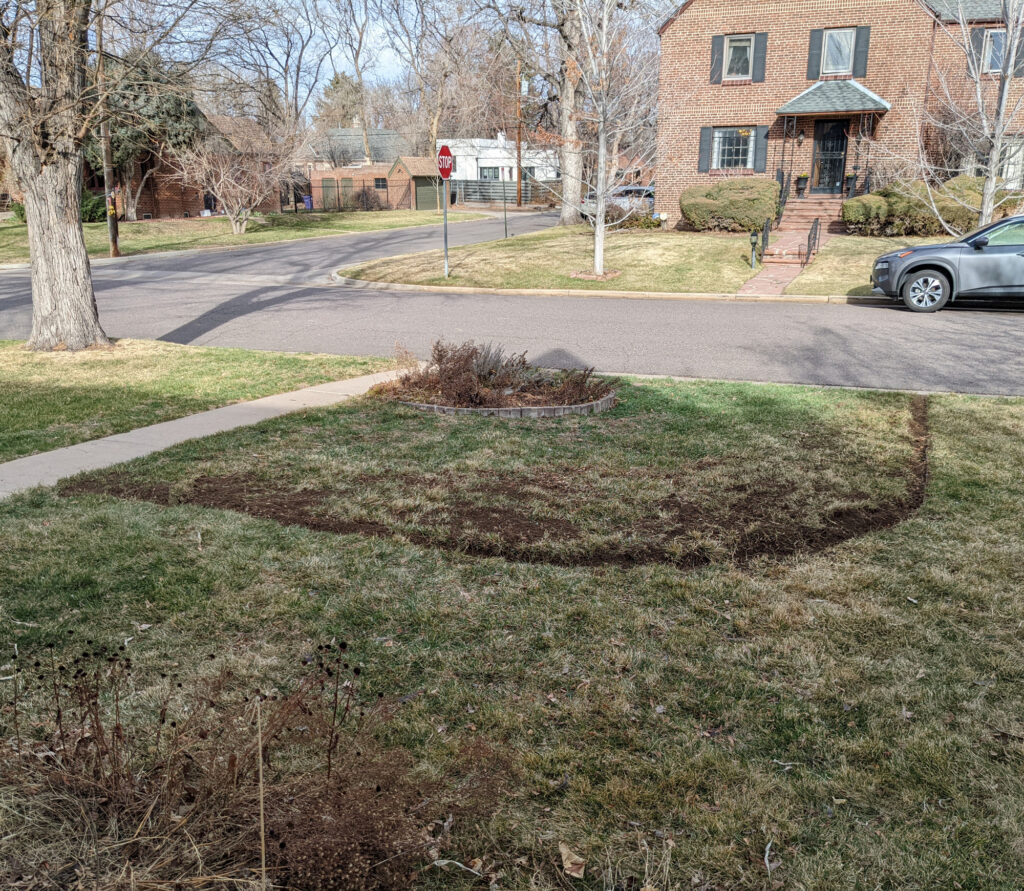
3. Take out non-native turf grass. Take out as much as possible! It wastes valuable space–not ideal for many ecological purposes and is a huge waste of water and other resources for the average home gardener. Put in native turf, like buffalo grass, in places where you want turf, or invite nature back in with lots of native plants and native bunch grasses.
4. Think beyond conventional notions of what’s pretty. When deciding which species to plant, think about the purpose(s) the plant serves. Is it a larval host for a specific bee, moth or butterfly? Do birds eat the plant’s seeds in the winter? Does it fix nitrogen in the soil? Can it be a nurse plant, protecting other more delicate plants? Your yard can be pretty and serve the ecosystem. There are numerous resources to find out what a particular plant’s superpowers are. One great one is the National Wildlife Federation’s plant finder. Audubon and The Xerces Society also have great resources. For the biggest ecological bang for your buck, trees and shrubs are your go to. Not only can they, when planted in the right location, reduce your air conditioning needs, but they support a multitude of species, many more than your typical forb. See our article on multi-stemmed trees and shrubs.
5. Reduce your inputs, and particularly, your use of plastic. If you are buying plastic bags full of mulch and “topsoil,” you are paying for the transportation–possibly from out of state–as well as the plastic that must go somewhere. Better to try and repurpose your own soil and make your own mulch. Yes, make your own mulch, as in using your leaves and garden detritus, minus weed seeds and aggressive plants, as mulch. Use what you already have on hand first. And if you don’t have enough, think about getting mulch delivered in bulk, as Chip Drop. And remember, native plants generally do not need any additives–no fertilizers, especially synthetic. You can, and probably should, as said above, top-dress with your homemade compost. If you live in an urban environment, your soil has probably been abused and compacted. Compaction is the true enemy of native plants, and topdressing with your homemade compost is your long-term best bet to address this issue. Soil life will mix it in over time, making your soil much healthier. (And note: we are not talking about vegetable gardening. That’s a very different “animal.”)
6. Avoid pesticides. This could have gone into “reduce your inputs,” but it is important enough to have its own section. The science is in–pesticides, especially neonicotinoid insecticides, have done enormous damage to insect, bird and mammal populations. And herbicides to kill weeds–avoid if at all possible. We really don’t know the extent of the damage they are causing. This is my opinion: There is no such thing as an herbicide that kills only the weed you want gone. Consider that in some parts of Canada, pesticides are not allowed for use on home ornamental landscapes. In many or most cases, there are other ways to deal with weeds and insects in the home landscape.
7. Reduce your outputs. In other words, practice zero waste gardening. We gardeners make a lot of waste. That waste can almost always be composted or used in some way in your landscape. If you can’t compost on site, your city may have a program. I have a leaf collection system in my back yard. I use every last one. It’s not complicated and doesn’t take up much room. Making leaf mold is a really easy way to compost. Find a hidden spot or an artful way to make a habitat brush pile. Save your plant containers to be reused in Wild Ones plant swaps. Consider repurposing containers that come through your household one last time to grow a plant to give away.
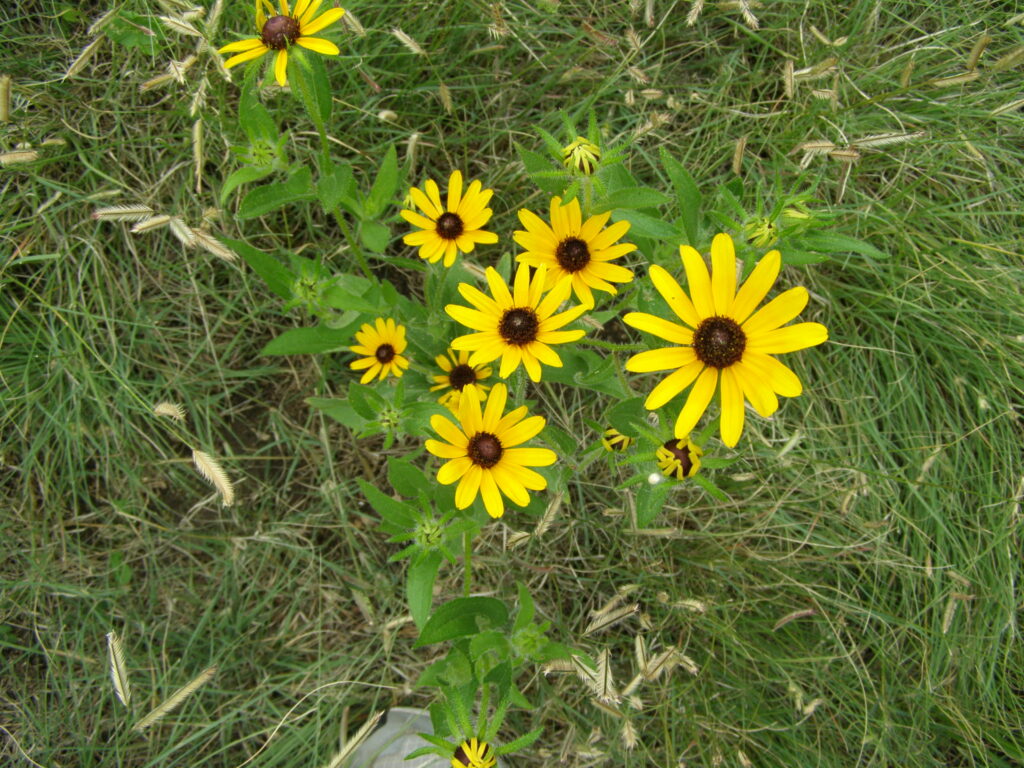
8. Re-think your use of annuals. Annual bedding plants (plants that only live one season/year) flower for a longer time during the gardening season than most perennials, but they can require more inputs than perennials, too. Many non-native annuals take quite a bit of water and fertilizer to keep looking their best, especially if (as typical) they are grown in containers. They are also a lot more work and expense over time, requiring planting every year. Now, this is not to say you should not have your vegetable garden. We do need to feed ourselves. We’re talking about your non-native petunias and begonias, which are generally not very attractive to pollinators, either. Choose drought-tolerant, native, re-seeding annuals with ecological benefits. Annuals that re-seed will help fill gaps to reduce weed pressure in the garden beds and don’t require production in a greenhouse each year. Annual native Erigeron (cloud daisies) are fabulous garden additions. Check out our plant lists, such as those in ourarticle on native plant substitutions to use in your garden.
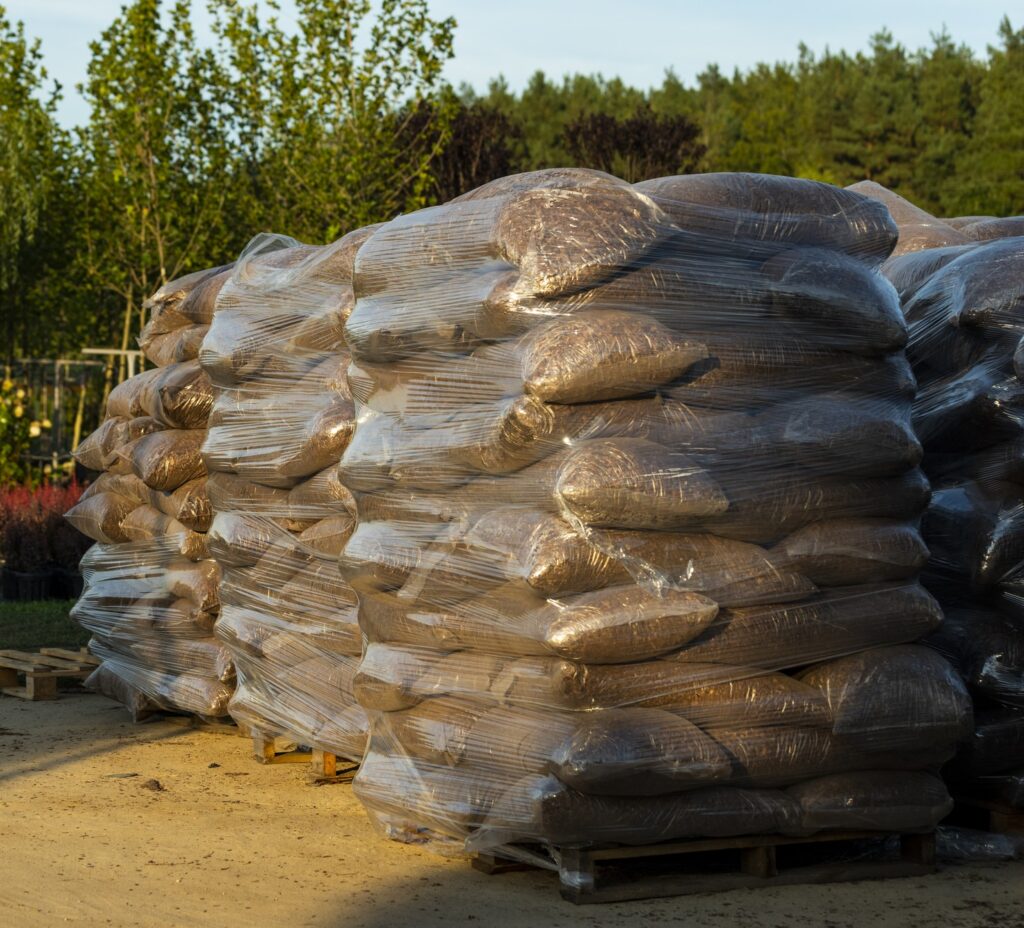
9.Use no plastic! Yes, I am repeating this point, but it bears repeating. Landscape fabric is a big no-no. It is an unsustainable waste of resources, leaking microplastics into the environment and disrupting natural soil cycles. And artificial turf – yikes! I can’t think of anything less sustainable than that. We have two articles on how detrimental it is for the environment and your health. The last thing we need is more plastic breaking down into microplastics in the environment. And those plastic pots your beautiful native plants came in – reuse them. Better yet, start your native plants from seed at home. Check out our resources on propagating native plants.
10. Avoid gas-powered machinery. In the U.S., we used 3 billion gallons of gas* for our mowers and leaf blowers, etc. And that’s an old number! If you must use a machine, go electric. But, if you remove as much lawn as possible, you can go with a push mower! And leaf blowers…yikes. Leave the leaves. Note that if you are gardening to bring in a diversity of insects, leaf blowers kill insects!
Did I say 10 tips? Well, we have two bonus tips.
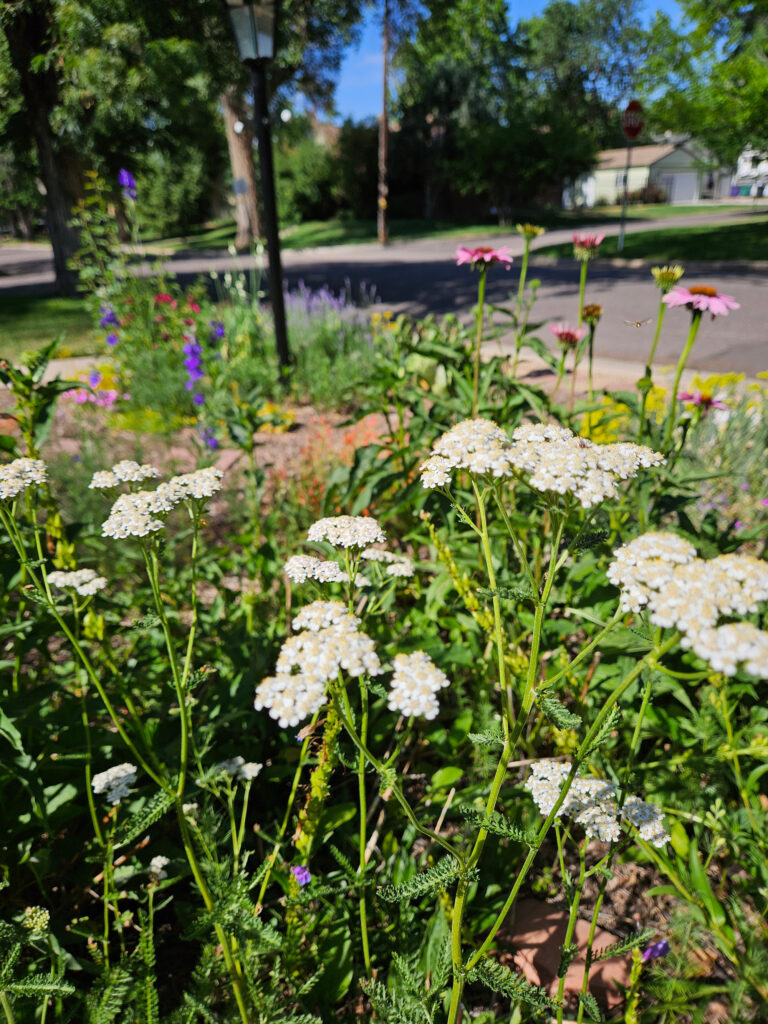
11. Variety is the key. In the words of Sara Stein, author of Noah’s Garden, my favorite book explaining why you should be gardening with the environment, instead of fighting it, “Ecology isn’t rocket science; It’s way more complicated!” The best way to cover your bases is to plant lots of different species of plants. Your soil will be healthier, and you will be supporting many more insects by doing that.
12. Start with your front yard. What, you say? How is this a sustainable gardening tip? Well, we humans are part of the ecosystem too. Gardening in your front yard can connect you to your neighbors, who will see what you are doing, and maybe start conversations about why you are doing this. I have to say, from experience, that this certainly slows you down, since I am constantly talking to passersby. Everything takes twice as long as it should, but it’s worth it!
And, stay curious! The more your eyes are open to the living world around you, the more you will learn. I guarantee you will always be learning more!
Deborah Lebow Aal is president of the Wild Ones Front Range Chapter, a former U.S. EPA employee, and very curious native plant gardener.
*This number is from an Environment Texas article November 17, 2021.