by Deb Aal
If you are gardening for the ecological benefits of plants for pollinators, birds, and generally the whole ecosystem, you’ll want to consider native plants over the exotic plants normally found in our landscapes. Consider swapping the non-natives listed below for native plants that have some of the same characteristics (but are better for the ecosystem!)
TREES
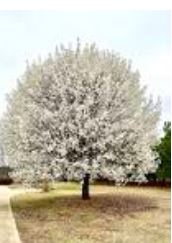
Instead of Callery Pear (Pyrus calleryana): Serviceberry (Amelanchier alnifolia)
versus
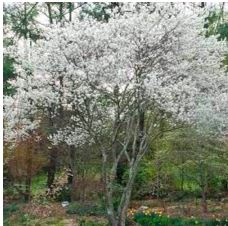
Serviceberry has delicious blueberry-like fruits that ripen in June. It’s also a larval host plant for swallowtail butterflies and its reddish bark is attractive in winter.
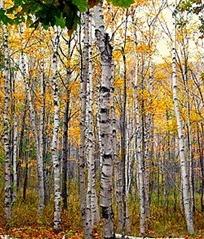
Instead of Paper Birch (Betula papyrifera): Aspen (Populus tremuloides)
versus
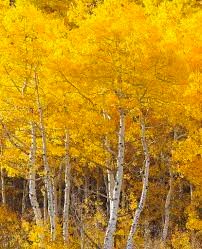
Populus is one of the most important genera for lepidoptera.
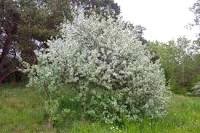
Instead of Russian Olive (Elaeagnus angustifolia): Silver Buffaloberry (Shepherdia argentea)
versus
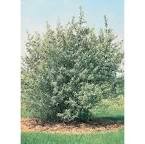
Silver Buffaloberry is perhaps the earliest flowering plant on the Front Range and has attractive red berries in autumn. It also fixes nitrogen.
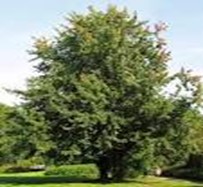
Instead of Silver Maple (Acer saccharinum): Bigtooth Maple (Acer grandidentatum)
versus
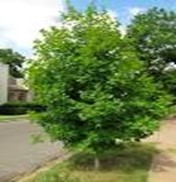
Silver maple has weak wood that is prone to shattering, while bigtooth maple foliage has attractive fall color.
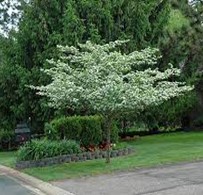
Instead of Cockspur Hawthorn (Crataegus crus-galli): Common Hoptree (Ptelea trifoliata)
versus
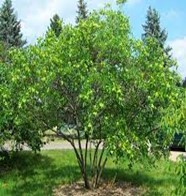
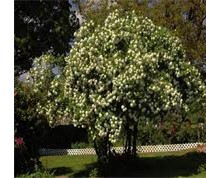
Instead of Cranberrybush Viburnum (Viburnum opulus): Chokecherry (Prunus virginiana)
versus
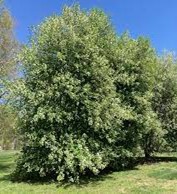
Chokecherry berries make a delicious jam and are often edible right off the tree. Fragrant cream flowers in April-May. One of the very best plants for local wildlife.
Instead of Smokebush (Cotinus coggygria): Gambel Oak (Quercus gambelii)
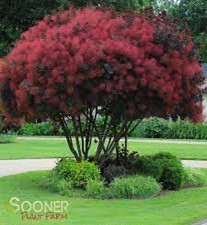
versus
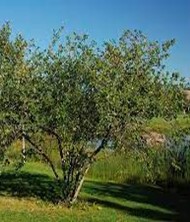
Gambel oak is a keystone species that supports hundreds of species of wildlife. Acorns are edible after processing.
SHRUBS
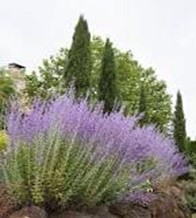
Instead of Russian Sage (Perovskia atriplicifolia): Leadplant (Amorpha canescens)
versus
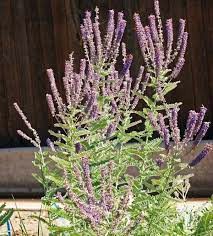
Leadplant has fragrant foliage and attractive purple blooms that are highly attractive to pollinators. It also fixes nitrogen.
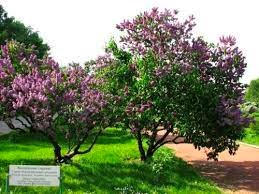
Instead of a Lilac (Syringa vulgaris): Rockspirea (Holodiscus dumosus)
versus
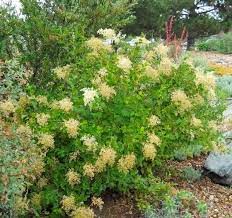
Rockspirea has lovely cream flowers in early summer, as well as attractive fall foliage and winter bark.
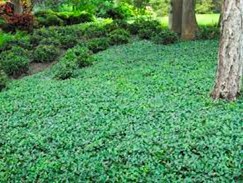
Instead of Wintercreeper (Euonymus fortunei): Grape Holly (Mahonia repens)
versus
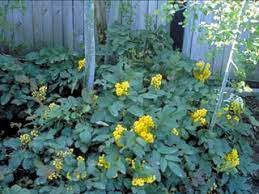
Creeping Oregon grape is an evergreen with early mid-April flowers and a berry that reportedly makes a nice jam. Foliage turns an attractive burgundy color in cold weather.
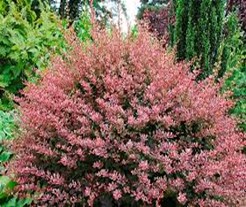
Instead of Barberry (Berberis thunbergii): Three-leaf Sumac (Rhus trilobata)
versus
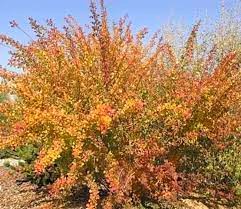
Three-leaf sumac berries can be made into a lemonade-type drink. Can be pruned into a hedge. Extremely important for lepidoptera.
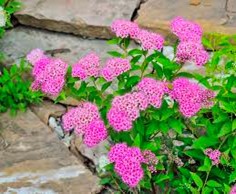
Instead of Bumald Spirea (Spiraea x bumalda): Apache Plume (Fallugia paradoxa)
versus
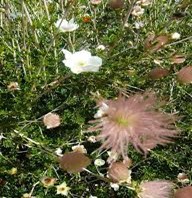
Apache plume has a long season of interest: early summer flowers give way to wispy seed heads that persist long into winter and are popular nesting material for native birds.
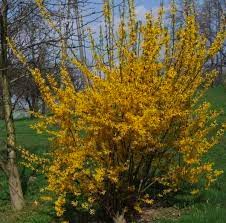
Instead of Forsythia (Forsythia x intermedia): Golden Currant (Ribes aureum)
versus
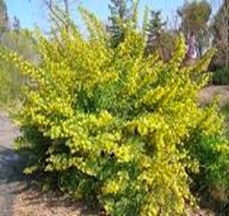
Golden currant blooms for most of April, which makes it a hit with pollinators. Small, often aromatic yellow flowers give way to edible black, orange, or red fruits in early-to-mid summer. Very high food value.
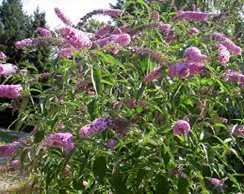
Instead of Butterfly Bush (Buddleja davidii): Fernbush (Chamaebatiaria millefolium)
versus
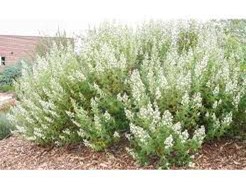
Fernbush has aromatic foliage and attractive seed heads in winter.
Instead of Boxwood (Buxus sp.): Smith’s buckthorn (Rhamnus smithii)
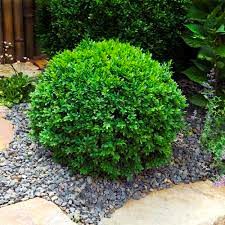
versus
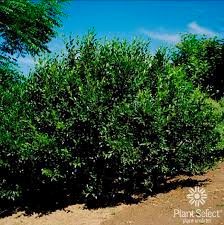
Birds love the black fruit of Smith’s buckthorn.
Instead of a Shrub Rose (Rosa sp.): Stansbury’s cliffrose (Cowania stansburiana, a.k.a Purshia stansburiana)
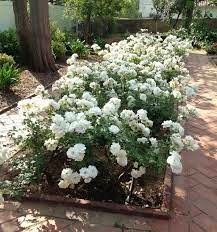
versus
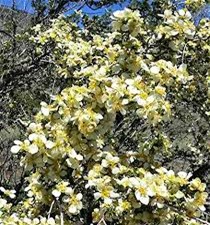
Stansbury’s Cliffrose has showy flowers that can nearly cover the entire plant. Long-blooming with very fragrant flowers.
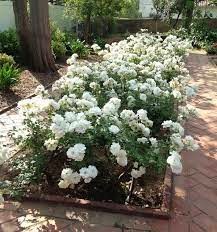
Instead of a Shrub Rose (Rosa sp.): Boulder Raspberry (Rubus deliciosus)
versus
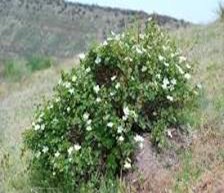
Boulder raspberry is a relative of garden roses. Large white blooms give way to raspberries that, even if they’re often dry, are popular with native birds.
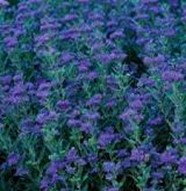
Instead of Blue Mist Spirea (Caryopteris x clandonensis): Desert 4 O’Clock (Mirabilis multiflora)
versus
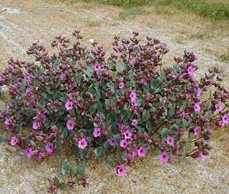
Desert 4 o’clock is very showy and reliably blooms all summer. Attractive heart-shaped, quasi-succulent leaves. Great way to bring hummingbird moths to your yard.
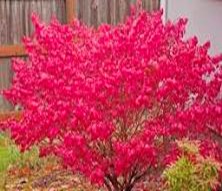
Instead of Burning Bush (Euonymus alatus): Red-osier dogwood (Cornus sericea)
versus
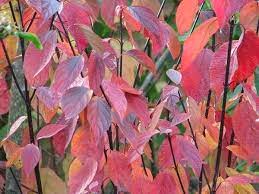
Red dogwood is an important autumn food source for at least 47 species of native birds.
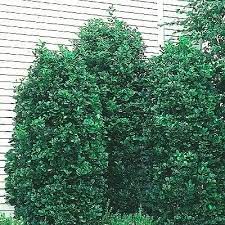
Instead of Columnar Buckthorn (Rhamnus frangula): Rocky Mountain Maple (Acer glabrum)
versus
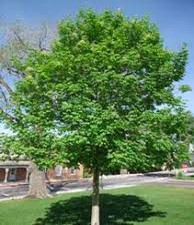
Rocky Mtn. maple has strong wood and attractive fall color. And yes, you can make syrup with it!
PERENNIALS
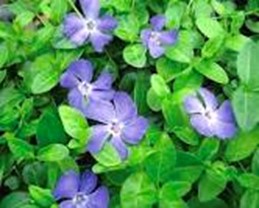
Instead of Periwinkle (Vinca minor): Long-leaf Phlox (Phlox longifolia)
versus
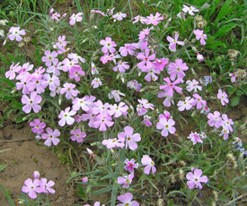
Long-leaf phlox flowers in spring and summer, and is very drought-tolerant.
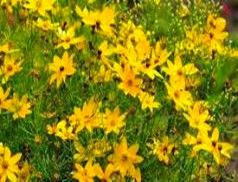
Instead of Tickseed (Coreopsis verticillata): Chocolate Flower (Berlandiera lyrata)
versus
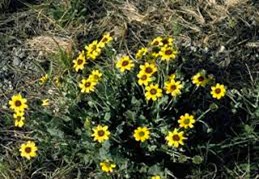
Chocolate flower has an intensely chocolatey aroma in the mornings, and demurely droops in hotter weather. Stamens can be used to add chocolate flavor to food.
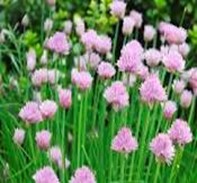
Instead of Chives (Allium schoenoprasum): Nodding onion (Allium cernuum)
versus
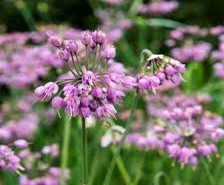
Nodding onion is a true edible onion native to North America, though it has a more intense flavor than Eurasian onions and is usually used sparingly. Popular with bees and butterflies.
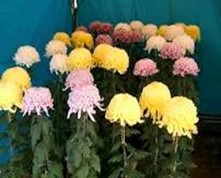
Instead of Mums (Chrysanthemum morifolium): Baby Blue Rabbitbrush (Chrysothamnus nauseosus)
versus
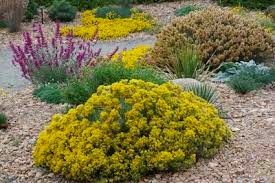
Baby Blue Rabbitbrush is fantastic for pollinators late in the season, as it can bloom well into October on the Front Range.
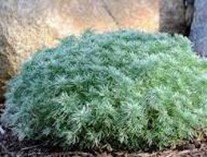
Instead of Silvermound (Artemisia schmidtiana) Fringed Sage (Artemisia frigida)
versus
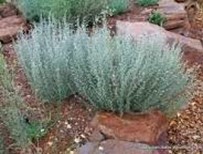
Fringed sage has intensely aromatic foliage that has a mintier smell than some other sagebrushes.
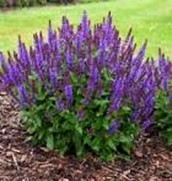
Instead of May Night Salvia (Salvia nemorosa): Front Range Beardtongue (Penstemon virens)
versus
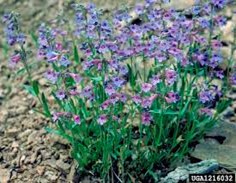
April showers bring these May-June flowers, and May flowers bring tons of native bumblebees.
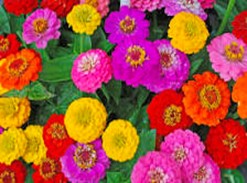
Instead of Zinnias (Zinnia sp.): Blanketflower (Gaillardia aristata)
versus
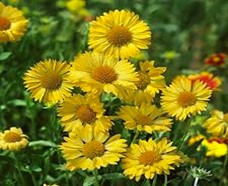
Blanketflower is a sunflower relative with blooms that can even persist through early frosts. In winter, its seeds are popular food for wild birds. (Though also consider plains zinnia, Zinnia grandiflora, a native.)
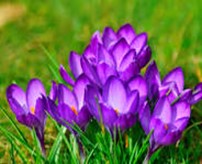
Instead of Crocus (Crocus sp.): Pasque Flower (Pulsatilla patens)
versus
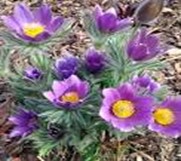
Pasque flower quickly emerges from the ground in early spring with lavender-colored flowers.
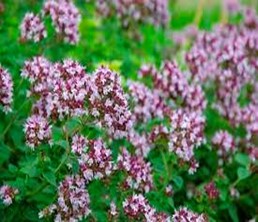
Instead of Oregano (Origanum vulgare): Beebalm (Monarda fistulosa)
versus
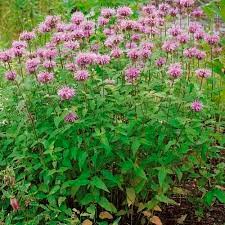
Bee balm is a native relative of oregano and can be used very similarly for culinary and medicinal purposes since its essential-oil profile is very similar. Its tubular purple flowers are popular with bees, butterflies, and especially hummingbirds.
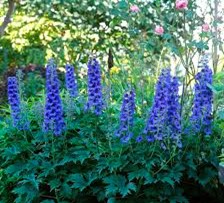
Instead of Delphinium (Delphinium grandiflorum): Rocky Mountain Penstemon (Penstemon strictus)
versus
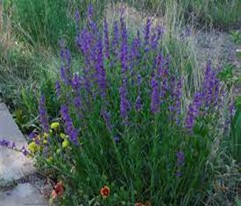
Penstemons are a great way to bring hummingbirds into your yard in late spring.
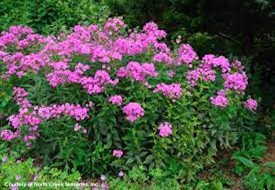
Instead of Garden Phlox (Phlox paniculata): Rocky Mountain Beeplant (Cleome serrulata)
versus
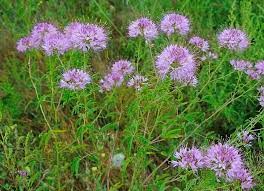
Cleome serrulata, a.k.a. Peritoma serrulata, is a self-seeding annual that is immensely attractive to bees and butterflies. Young, tender leaves and the seeds are edible. Often called “the Fourth Sister” due to its importance in Indigenous agriculture.
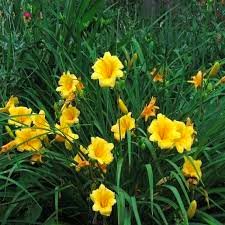
Instead of a Daylily (Hemerocallis hybrids): Desert Prince’s Plume (Stanleya pinnata) Grasses
versus
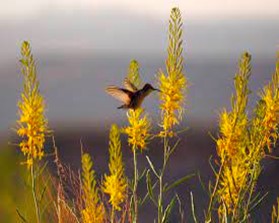
Prince’s plume loves rocky desert soils, and is an important larval host to several endemic species of butterfly.
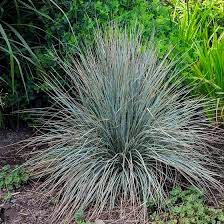
Instead of Blue Avena Grass (Helictotrichon sempervirens): Yucca (Yucca glauca)
versus
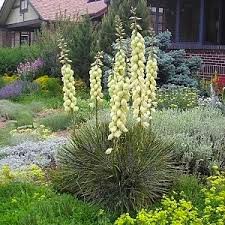
Yucca glauca, a succulent in the asparagus family, has attractive foliage all winter, and in early summer sends up a stalk of cream-colored flowers beloved by bumblebees. Petals are edible like an endive.
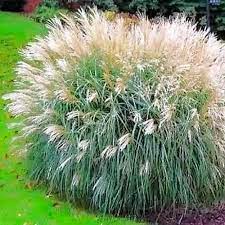
Instead of Miscanthus (Miscanthus sinensis): Indiangrass (Sorghastrum nutans)
versus
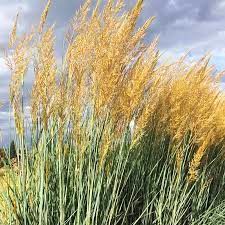
Indiangrass is a larval host to some native butterflies.
Instead of Karl Foerster (Calamagrostis x acutiflora): Little Bluestem (Schizachyrium scoparium)
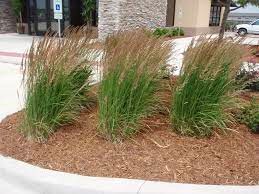
versus
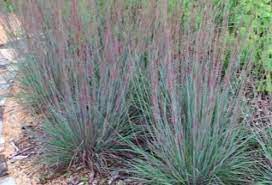
Little bluestem is a larval host to dozens of butterfly species.