By Deborah Lebow Aal
I hate to be negative, but I see these garden blunders over and over and over again. I want to shout when I see landscapers working, knowing that the homeowner will eventually suffer the consequences of what they are doing. Here is a list of things that you should consider if you hire a landscaper or if you are doing the work yourself. These are missteps that will kill, or maybe just stunt, your garden – especially if your intent is to garden for the greater ecological good. I’ll try not to be too harsh! (These tips apply to Colorado native gardeners, Colorado non-native gardeners, and dare I say gardeners everywhere!)
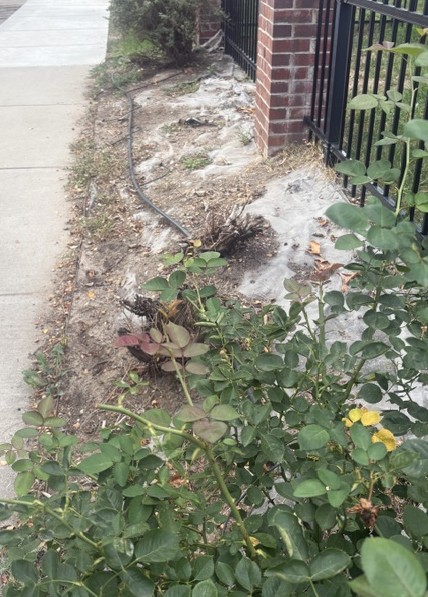
Landscape fabric: Landscapers ALMOST ALWAYS put landscape fabric down. I mean oceans of it! And it does not prevent weeds (well, maybe for a year), therefore it’s a true waste of resources. You will have weeds, and those weeds will embed themselves in the landscape fabric, making them even harder to remove. Bonus that you are putting more plastic into the environment. And, even if you can find some fabric that is not made with plastic (I challenge you!), it starves the soil underneath, silts up and eventually does not allow water to permeate through. It’s a triple or quadruple whammy of a no-no. So, why do all landscapers insist on putting this toxic material that doesn’t work in your yard? You’ll have to ask them. Yes, there are good landscapers who do not use landscape fabric. (Hint: Many of them are Wild Ones members!)
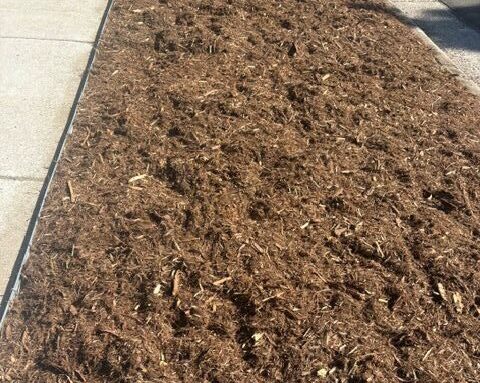
Gorilla mulch (Or gorilla hair mulch): Gorilla mulch is that very fine, very thin mulch that landscapers love. They love it because it’s light to transport (thus cheaper), and easy to apply. But it does not allow moisture to permeate through. So, it may be ok on the east coast, where they get lots of moisture, but it is not good here in Colorado, unless you enjoy dehydrating your plants. (Am I being too rough?) A quote from a landscaper, “More than once I have removed gorilla mulch from a landscape that has become fused into a solid, water-impenetrable sheet.” And, while we’re talking about mulch, anything dyed that comes in a plastic bag is probably not doing your yard or your plants or the environment any good.
Artificial turf: I guess this is a good idea for people who think we need more plastic in the environment? We are practically choking on plastic. In fact, birds and fish are quite literally choking on plastic. I refer to the two articles we’ve written on how bad artificial turf is for the environment. [Artifical Turf: Why it’s Not an Alternative; Artificial Turf Again!] It leaches microplastics and PFAS. It is a really bad “solution” for people who want a no maintenance yard. (Hint – there is no such thing!) See these pictures of artificial turf with weeds coming through.
Cleaning up all your leaves: I see spotless lawns, where every single damn leaf has been raked up. How do we not know by now that insects and other critters need these leaves? If you insist on a clean lawn, then have a space where you collect the leaves and keep them for mulch in the spring.
Sparse planting: I love the clean look of rock with three plants – it looks good in a magazine, but it is not ecologically smart. When you take a walk in a natural area, that is not how nature ever works. Native plants like to be up against each other. They like community, like we do! You’ll save on mulch by planting your plants closer together. And dense planting can mitigate the heat island effect – which is exacerbated by hot mulch (wood chips and river rock, e.g). On your next walk in a wild area, observe how plants work together (And which native plants like to be together). As we watch lawn after lawn scraped because of the drought this year, it’s even more important to tout the benefits of living (green) mulch.
Plastic lawn and holiday decorations: Again, do we need more plastic in the environment? When you decorate for Halloween or Christmas, think about what you can do that is natural, that can be placed in a compost bin when done (not in the trash) or saved for next year. The amount of trash after holidays is astounding. And, really, are pink flamingos that attractive outside of their native territory? I know, this is not really a plant tip but it is a lawn tip!
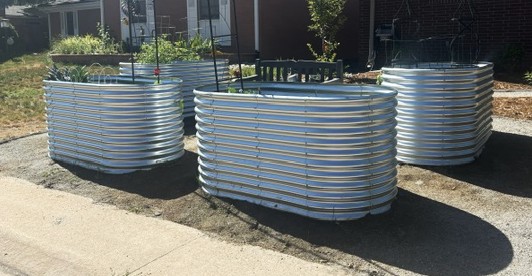
Metal containers above Ground: Those troughs, that look like horse troughs? Again, they might be a good idea on the east coast, but above ground metal containers are going to need lots more water than anything in the ground. They will dry out fast and get too hot to keep most plants happy.
Lots of annuals (unless self-seeding native plants): Pansies, impatiens, etc. They will provide quite a bit of garish (my bias, of course) color to your landscape for one season, and then they get ripped out and trashed. Or if you’re lucky, maybe a compost bin. And then more are planted next season. Seems like a huge waste of resources. They are often (maybe always?) treated with neonicitinoids and high levels of fertilizers. How about planting some self-seeding annuals or biennials that add to, instead of detract from, soil health. Some examples: Plains coreopsis (Coreopsis tinctora), Rocky Mountain bee plant (Cleome serrulata), Scarlet gilia (Ipomopsis aggregata). Or even a perennial like asters, instead of mums in the fall. It’s not going to be as neat as a row of pansies, but IMHO much more beautiful and many times over more sustainable.
Trees with no landing area: If you are gardening for wildlife, the space underneath your trees is important. It can’t be just Kentucky bluegrass. It has to be something that caterpillars can land on, hide in, etc. Think, mahonia (or berberis) repens, or native grasses that do well with a bit of shade (see our article on grasses that do well in shade.)
Peat moss: The use of peat moss as a soil amendment is ubiquitous and not sustainable. If you must amend your soil (and most natives don’t need soil amendments), try to find products that do not contain peat. Or better yet, use your own leaves, leaf mold or homemade compost. It will work just as well, if not better. We wrote an article about this a while ago.
Using Any Chemicals: You might want an easy fix to get rid of unwanted pests, but there’s no such thing as something that kills only your unwanted pests. It will kill your beneficial (i.e., most) insects as well. We are already well into an insect apocalypse – the collapse of the insect world will mean the collapse of most other things as well. Let nature take care of the unwanteds. Ladybugs will eat an enormous quantity of aphids; birds will eat huge quantities of insects as well. Attract ladybugs and spiders and birds with your native plants, and you will not have a pest problem. I am talking of course of store-bought pesticides, not your vinegar and soap solutions, which sometimes work and sometimes don’t. And, I am oversimplifying, but you get the picture.
There is a theme of plastic use in gardening running through this article. So, one last time, a reminder that it behooves us as gardeners to limit or be very thoughtful about the amount of plastic we use while trying to make the earth a bit better with our gardening. You may want plastic edging, but bring those plastic pots back to a garden center, and just keep minimizing plastic as you buy items for, and tend to, your garden.
This article will no doubt start a conversation of other no-no’s you see landscapers or homeowners doing. We can follow this up with your contributions. Send them here ([email protected]) and I will write another article. What are your pet landscape grievances?
Deborah Lebow Aal is President of the Wild Ones Front Range Chapter, and a passionate sustainable gardener in Colorado. She is holding back on her frustration with the state of landscaping in this country.