By Kristine Johnson
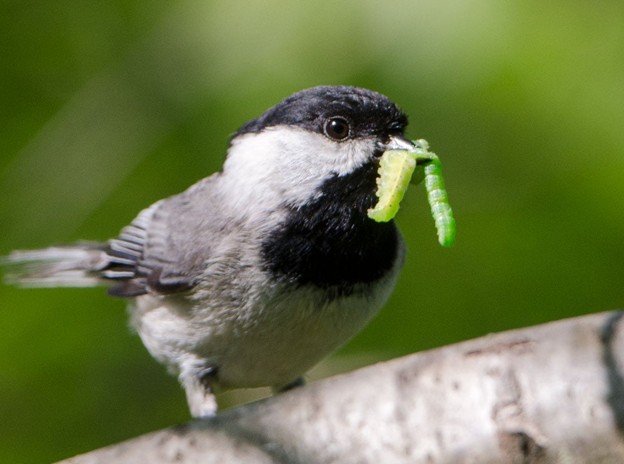
A few years ago, I applied for and received a Terra Foundation Grant from the Landscaping with Colorado Native Plants Conference. This meant $1000 toward native plants which supported birds, while also requiring turf removal and tracking biodiversity in some way in my yard. We removed the last of the lawn in our backyard, committed to tracking birds, and dove into planting all kinds of Colorado native plants – forbs, grasses, shrubs, and small trees. As anyone who’s been to our yard has seen, we’ve definitely gone to the birds. While I love beautiful flowers and I am thrilled by our bees, butterflies, moths, and more; gardening for birds has become my absolute highest gardening priority. Read on for the explanation, with a few bird stories interspersed.
WHY
Why would a grant from a conservation organization focused on birds be interested in turf removal? Water conservation is a huge part of it. Audubon reported in 2017 that riparian habitat, like rivers and lakes, while especially valuable for supporting birds and other wildlife in the arid west of the United States, is shrinking because of how we manage water. Water quality of what remains is also falling, again, impacting birds and wildlife. Twenty to thirty percent of the City of Boulder’s water comes over or through (!!) the Continental Divide from the Colorado River. Every drop of water I can avoid using on thirsty turf is another drop of water in that western basin or which stays in my local Boulder Creek. Beyond water conservation, turf provides very little to birds in terms of their basic needs (no food, no shelter), and many lawncare practices harm birds. Pesticides directly kill or harm birds, or they kill or harm insects they rely on for food or for feeding their young. Noisy, polluting two-stroke lawn care machines like mowers and blowers inhibit birds from nesting and thriving in lawn-dominated yards. Removing turf and replacing it with native plants with chemical-free landscaping practices is a huge turnaround in terms of providing food and shelter and removing hazards.
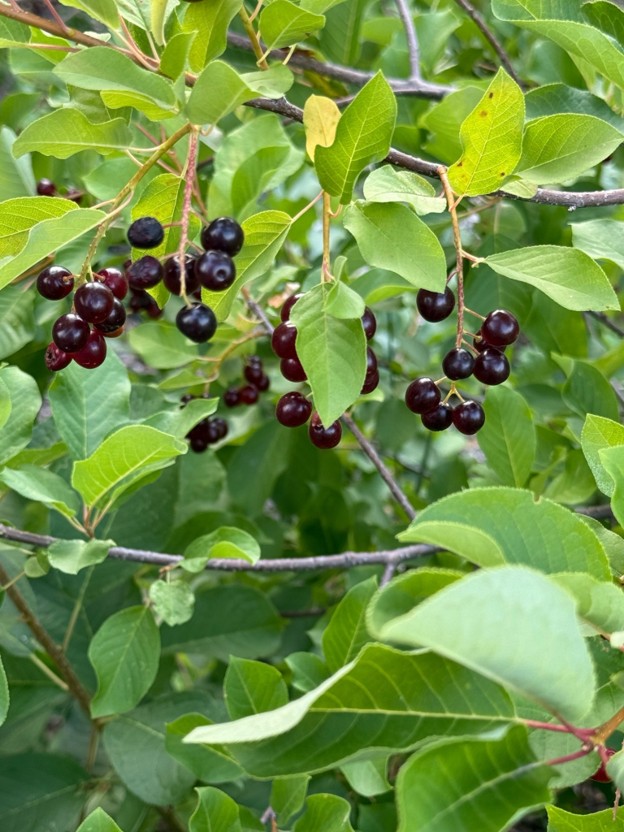
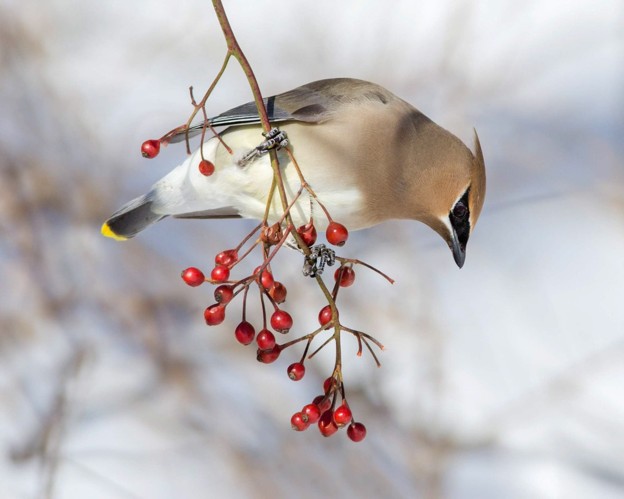
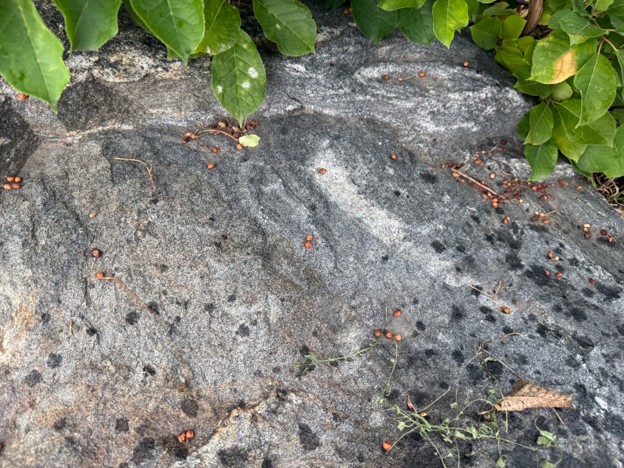
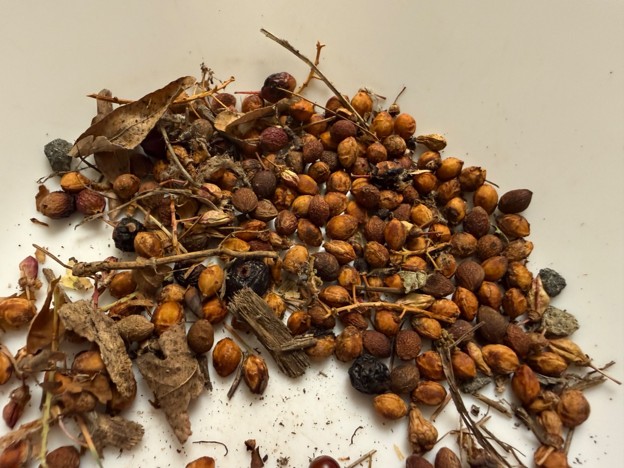
Bird story: I noticed that one of my chokecherry bushes was loaded with gorgeous dark purple, ripe fruit. Later in the week, I heard cedar waxwings in my yard. I wanted to harvest some of the chokecherries for seeds, but when I approached the bush, they were gone. I looked down, and on the boulder under the bush were hundreds of naked seeds. The birds had eaten the fruit off the seeds and dropped the seeds where I could pick them up.
GARDENING PRACTICES FOR BIRDS
I found the (now archived) Audubon Rockies Habitat Hero rubric to be really helpful in terms of figuring out what to do; it is partially about what you plant, but it’s also about what to do. The suggested gardening practices may sound familiar to those of us trying to garden with sustainability and pollinating insects in mind: provide a clean source of water; remove invasive plants; eliminate pesticides; remove or reduce hazards to birds like outdoor cats, outdoor lights at night, and reflectivity of windows. Other familiar practices include leaving leaf litter on the ground, avoiding deadheading flowers, and building a habitat brush pile.
WHAT TO PLANT
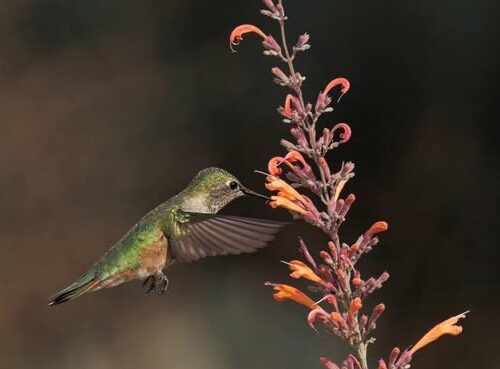
In the rubric I mention above, Audubon lists five food types for birds related to gardening: nectar and pollen (from flowering plants and some shrubs and trees), seeds (from grasses, flowering plants, and more), insects and caterpillars (any which use native plants as host plants), nuts (like acorns or hazelnuts), and fruits and berries (mostly from native shrubs). These foods already start writing a planting list! Audubon also has a really easy to use, customizable native plant finder on their website: it goes down to zipcode level geographically and it even tells you which kind of food resource the plants provide and which groups of birds the plants support. If you are obsessed with certain birds, like I am, you will plant an abundance of plants which support those birds and similar species. For example, you can generate a list of native hummingbird-supporting plants which bloom from May through September.
Bird story: We have two mature, tall serviceberries, planted 20+ years ago. In that time, I have eaten maybe 2 of the berries; the birds always get them first. My spouse recently told me he sat and watched a couple of robins moving from branch to branch, methodically eating every last berry.
OTHER RESOURCES
Education is an important part of gardening for birds–both of yourself and in terms of taking on the mantle of becoming an ambassador for birds. Audubon has great resources both on gardening for birds and on learning about birds in general. The Cornell Lab for Ornithology has a Garden for Birds project which you can join to submit your garden/bird observations, as well as copious information of hundreds (thousands?) of species of birds and information about bird conservation. I use Merlin, eBird, and binoculars to start my day almost every day, with observations in my yard. Environment for the Americas is both a tremendous bird conservation and education nonprofit, they are also home to the Bird City program. As a way of “paying back” the grant I received, I helped certify Boulder as a Bird City Colorado last year, and we were able to document all of the amazing bird conservation work being done in our city as well as figure out next goals. I encourage you to find out more about the birds visiting your yard and how your gardening can enrich their habitat.
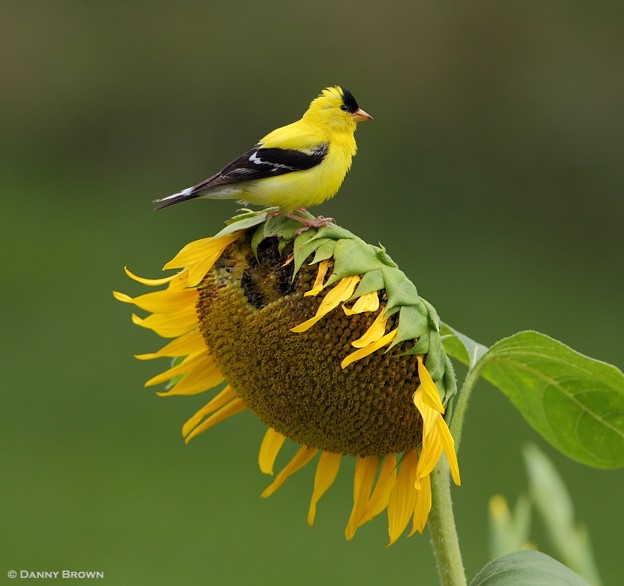
Bird story: We have loads of sunflowers of different types, which means loads of goldfinches. We see occasional flowers trashed for their petals. We find seed heads pecked out and empty seed hulls and tiny bird poops left behind on the leaves. They randomly plant seeds all over the yard–some plants we leave, some we remove.
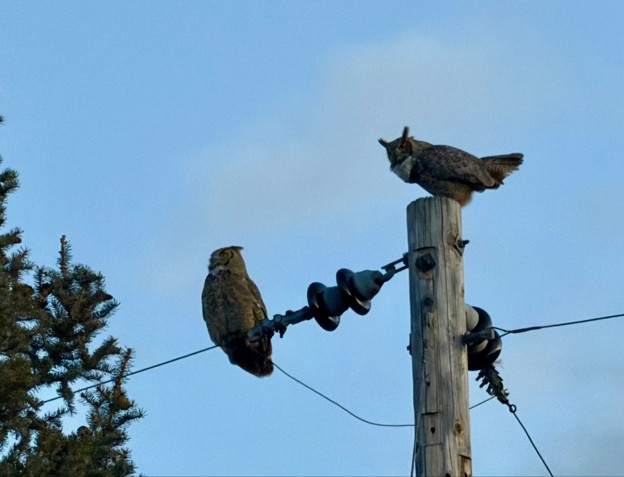
*Kristine Johnson is one of the regional coordinators for the Boulder and Broomfield Counties Region. She is also on the Wild Ones Front Range Chapter board. Photos by the author except as noted.