By Kristine Johnson
I’ve written a series of articles for Wild Ones Front Range on precipitation harvesting, and I’ve recently interviewed Brad Lancaster, Jace Lankow and Luis Salgado–all water harvesting practitioners in Tucson, Arizona–for insights into the connections between native plant gardening and rain gardening. Look for that article in the national Wild Ones Journal in March. (Previous articles: the “why” of rainwater harvesting and multi-stem trees and Thinking About Next Steps.) Theodore Johnson-Mencimer, a co-conspirator of mine, will be leading a Wild Ones Front Range webinar on precipitation gardening in February. My focus in this current piece is how we can move from theory to action and then broaden and multiply the impact of those actions. My teachers have helped me to see that just as with native plant gardening, in rain gardening, we start with learning, move on to implementing what we’ve learned, cycle through learning from our successes and failures, and finally, experience the broadest impacts when we build community around our gardening.
Just Do It!
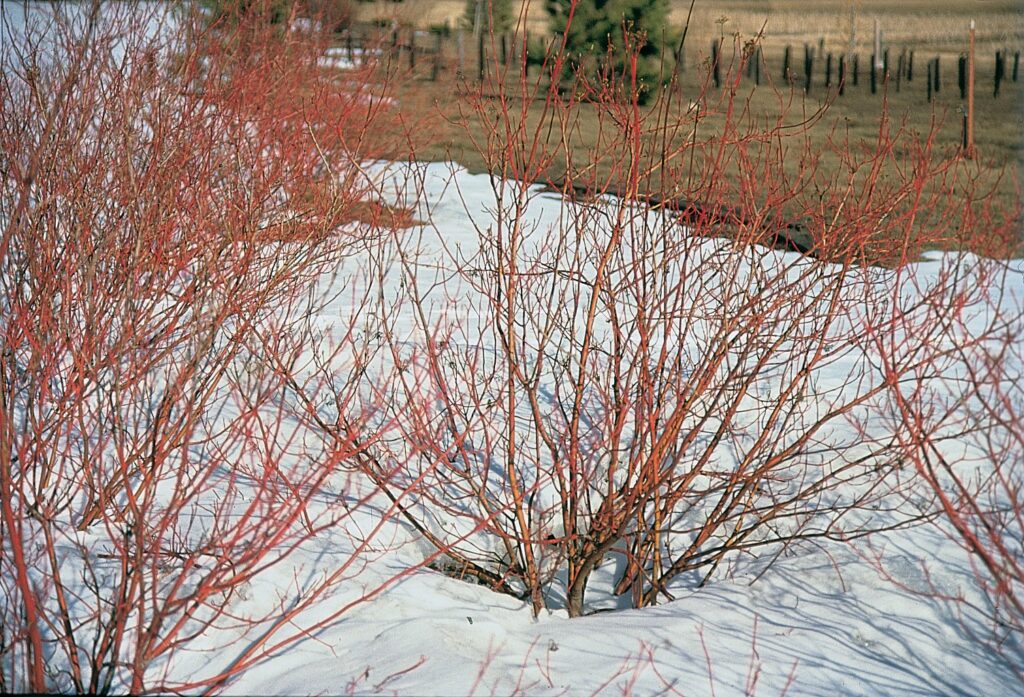
For me, rain gardening started with one downspout and one “basin:” one source of water and one good place to collect that water. It took some tinkering. For example, Do I really want the full force of a heavy rain coming down my downspout to emerge directly on a red twig dogwood, or does the water need a “splash pad” of a few bricks to spread its energy? If I extend the downspout from my carport across a pathway so that it reaches the giant spruce in my side yard, will I remember to put it back down if I lift it to move a wheelbarrow through that part of the yard. Or do I need to come up with a more permanent solution? Was I too optimistic in sizing a basin such that I need to reshape it or include more xeric plants?
I was hesitant to start some of my projects, because I couldn’t predict if they would function perfectly ahead of time. A lightbulb went off: The same is true for pretty much all parts of what we do as habitat gardeners. I can do my best and still have plants die on me. I can try my hardest with site prep and still be removing plugs of Kentucky bluegrass which didn’t die from solarization. With all parts of habitat gardening, at some point, we just need to take a leap. In the immortal words of Yoda, “Do or do not, there is no try.” Let go of your imperfections and just get out there.
I share this, because many people attended the workshop with Brad Lancaster in Boulder during the summer of 2023, which launched this journey for me. But how many of them built a basin? I’m pretty sure the number is low. The work I did in my yard was essentially free; it took some measuring and calculating and moving soil. But how many people act on their inspirations? What did it take for you to start planting native plants? What would it take for you to start rain gardening?
Just as we don’t want there to be just one pollinator garden along the Front Range or one gardener leaving her leaves and stems and seedheads for native insects and birds, we want many rain gardeners. The impact multiplies with each additional downspout diverted to native plantings, to each yard converted to rain gardens, to each street and neighborhood soaking as much of their precipitation into their yards rather than losing it as runoff. We need to hold each other’s hands in this. Just as we give each other seeds from our yards and plants that we grew, we need to help each other in seeing our landscape in new ways, in understanding our microtopography, and yes, in picking up our shovels to make basins for runoff.
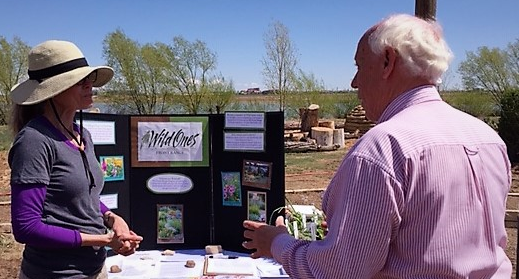
In that spirit, we plan to offer an inaugural “build your own basin” workshop this summer in the Boulder County region. I have been part of a similar workshop with Tucson water harvesting practitioners, and I am ready to leap off the page (or screen) and start working with my Wild Ones Front Range community to get their hands dirty. If you are interested in hosting such a workshop and you are in my region (Boulder), please email Front Range Wild Ones to contact me. In addition, I intend to open my yard up to share successes and mishaps to help demystify the process. Stay tuned!
A Vision for Colorado
Colorado has a few promising next steps in precipitation harvesting. We must both become more rigorous and informed in our rain gardening practices (the calculations aren’t that complex!) and more consistent (they should be regular features of every landscape). We are losing millions upon millions of gallons of water in runoff which paradoxically exacerbates both drought and flooding.
The City of Tucson offers several incentives for residents to adopt rain gardening, including their storm to shade program to encourage redirecting storm runoff to trees. Additionally, there are rebates for curb cuts to harvest stormwater from the street. The Watershed Management Group provides residential, business and neighborhood workshops and services on harvesting rainwater from downspouts or as greywater. We need to normalize and incentivize these practices and we need to share our learning, just as we do with native plant gardening.
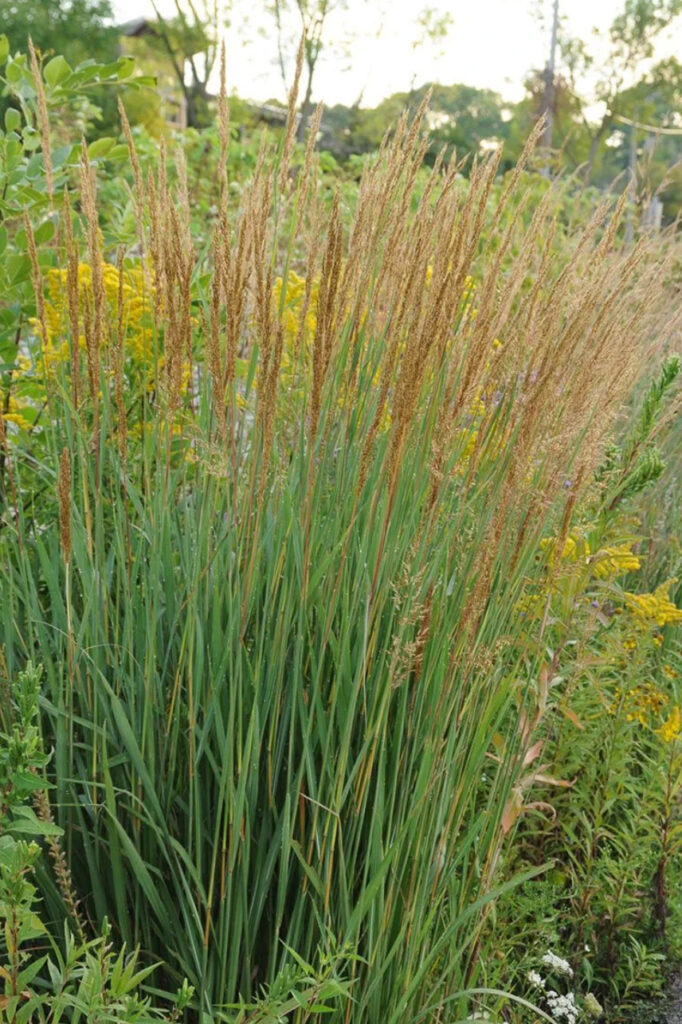
We’re not where Arizona is in terms of understanding where to put native plants in rain gardens. In Brad’s books and on his website, there are great plant lists, primarily native, categorized based on their locations within a rain harvesting landscape: the basin bottom (wettest), the basin top (driest), or in between. The resource commonly used in the Rocky Mountain region, the Rain and Forest Garden Plant Matrix, which is cited on our Wild Ones Front Range webpage, is honestly due for a tuneup. It has a high concentration of non-native plants, primarily sourced from permaculture (45 of 162 plant species are native). To address this issue, we must improve our understanding of both the water requirements of our native plants and their ethnobotanical uses, while ensuring ethical and respectful consideration of indigenous knowledge; we need to create a native plant rain garden plant list, along with any ethnobotanical uses or concerns. I wrote the multistem trees and shrubs article last year because many of the species in that article are fantastic habitat plants but have higher water needs; they can be part of our landscapes if we include them in rain gardens, and I would like to include them in this new list. One of our Boulder County members had a big aha this fall in my yard; rain gardening allows me to grow some plants which need more moisture. While it’s great that Front Range communities are trying to take a step back from thirsty Kentucky blue grass and other non-native, non-functional ornamental plants, we all know that doesn’t mean we’re consigned to dry landscapes of rock and cacti. What many people fail to recognize, however, is that there is more water out there for us to use, but we’re shedding it as quickly as we can into our gutters and storm sewers.
Parting Inspiration
Tucson receives an average of 11 inches of precipitation annually and experiences relatively high temperatures throughout the year. In contrast, Boulder, where I live, receives nearly 20 inches of rainfall annually, and our temperatures are significantly lower. We have comparatively so much abundance and ease! Rain gardening should be so easy and so fruitful! In essence, we should find inspiration in Tucson, a city with substantially less water and a higher potential evapotranspiration (water requirement) compared to all of the Front Range. My training and my gardening experiences have inspired me to share. What I have seen done in the desert is inspiring, and I firmly believe that there’s no reason we can’t all do it here.